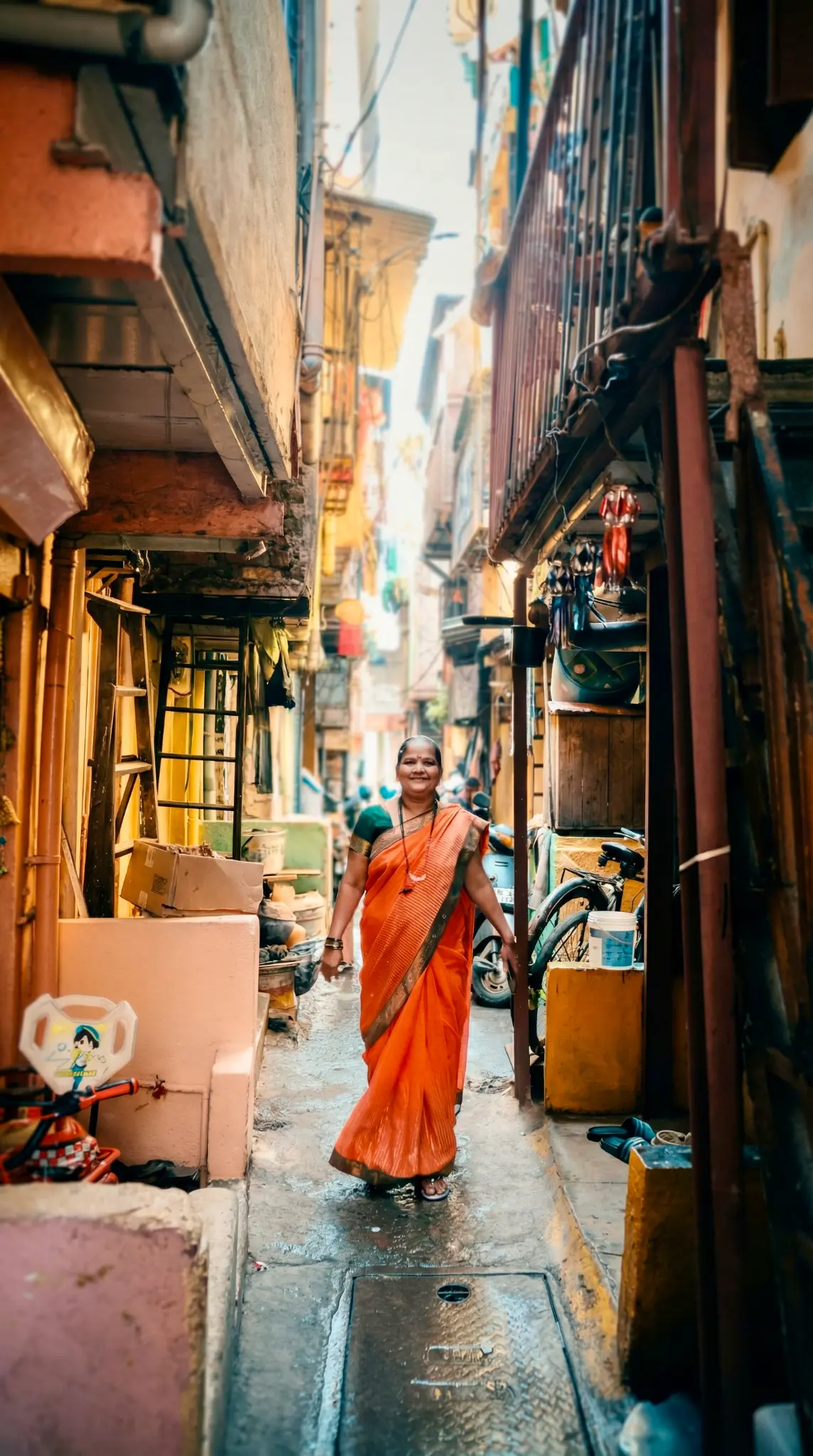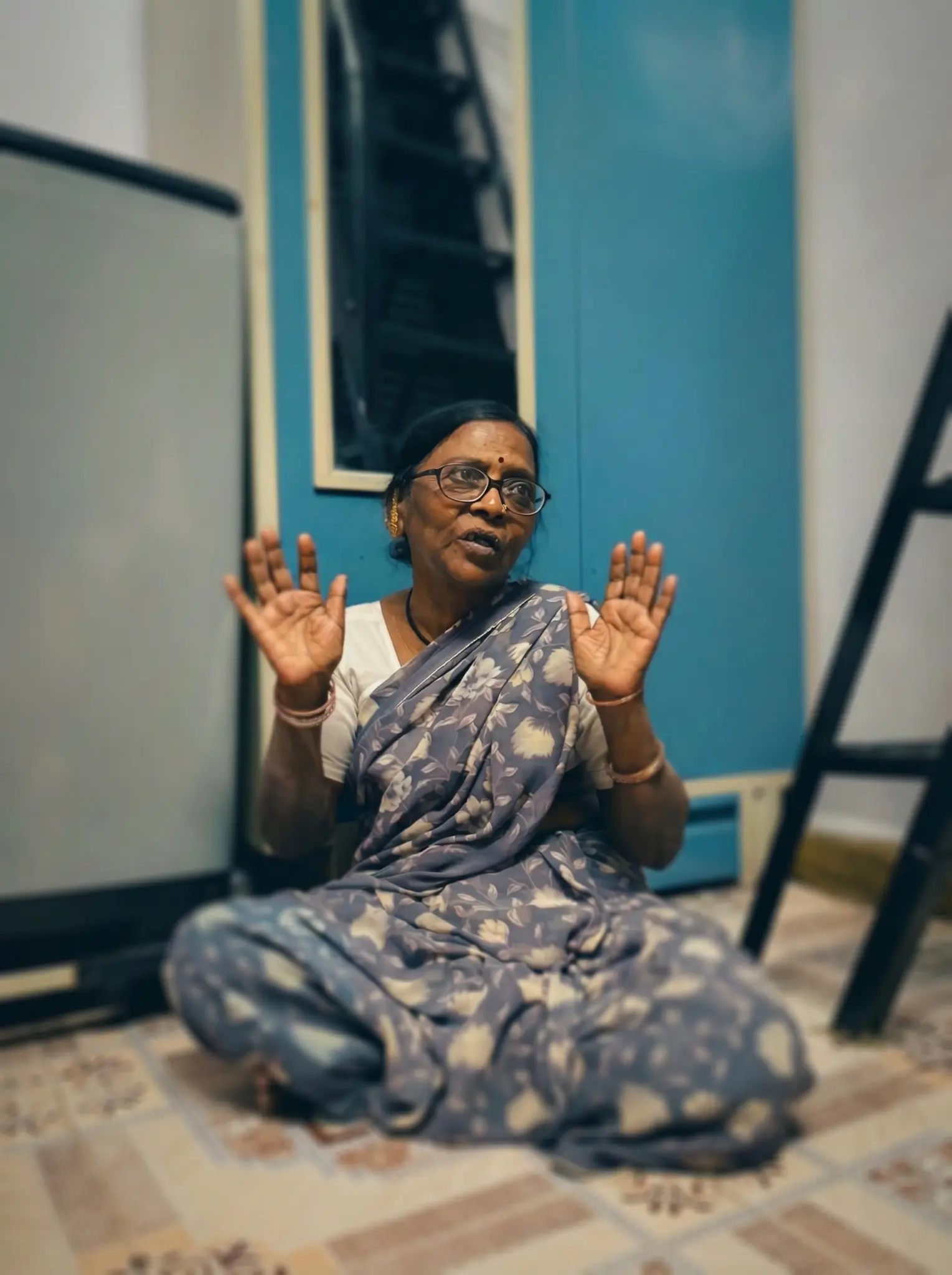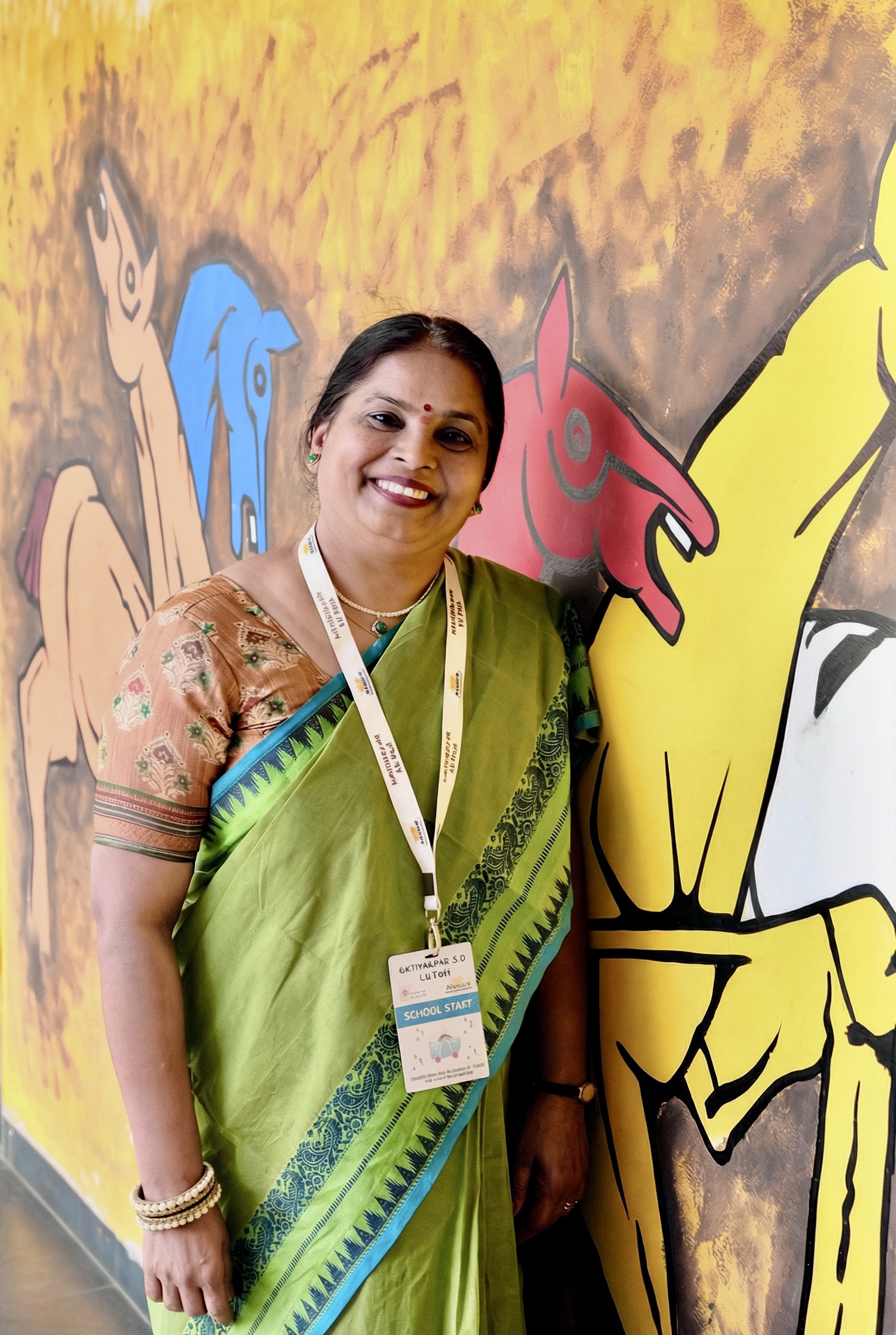
My name is Dhanalakshmi, but by now, even I respond more to 'Didi' than to my own name.
"I do not care if you get 30% or 80%. Marks fade. I want you to leave this room as good human beings."
I grew up in what I call a 'pampered house.' My father had a good post in a factory, my mother was a homemaker, and most of my relatives from Kerala were teachers. Education, discipline, and care were all around me. On my mother's side, my grandfather's brothers became doctors and engineers, while he chose to be a farmer because he loved the soil. From him I inherited this quiet joy in watering plants, touching mud, and watching seeds grow. From my aunt, who won state awards and kept abandoned animals in her courtyard, I absorbed something I did not yet have a word for, which was service.
Once I told my father, 'I want to be a nurse.' He refused. For him the acceptable options were to be a doctor, a teacher, or a stenotypist in a good company. I did not become a nurse, but many years later, in a noisy classroom full of children from the slums, I realised I was still nursing. I was not nursing bodies, but hearts and minds.
When my son was six months old, I joined a private school. It sounded perfect on paper. But inside that school, something in me was uneasy. I had grown up in a home where no one raised a hand on me. There, beating children was normal. Every slap I saw felt like a crack in my own values. After six months, I knew that I wanted to teach, but not like this.
One day I was crossing Shivaji Nagar and saw a bunch of children running across the road toward a place called the Thermax Akanksha centre. I do not know what made me do it, but I followed them. Inside, children sat on the floor. There were no benches and no stiff uniforms, just crayons, colours, and a warmth I could not name.
Around the same time, my sister in law cut out a tiny Indian Express ad that said, '200 part time teachers required.' She passed it to me casually. My husband read it and simply said, 'Go.' He dropped me at the centre and waited outside.
Inside, I met the founder of Akanksha, Shaheen Mistri, and a few others. They asked me to come back the next day. When I did, someone placed a box of crayons in my hand and said, 'Start the class.' I froze. In my old school, teaching meant books, pencils, erasers, and strict rules. Here I had a bare floor, a box of crayons, and thirty curious faces. My hands trembled a little. I did what my father had taught me. I closed my eyes and chanted the Gayatri Mantra. When I opened them, the children were watching me with full trust, so I began.
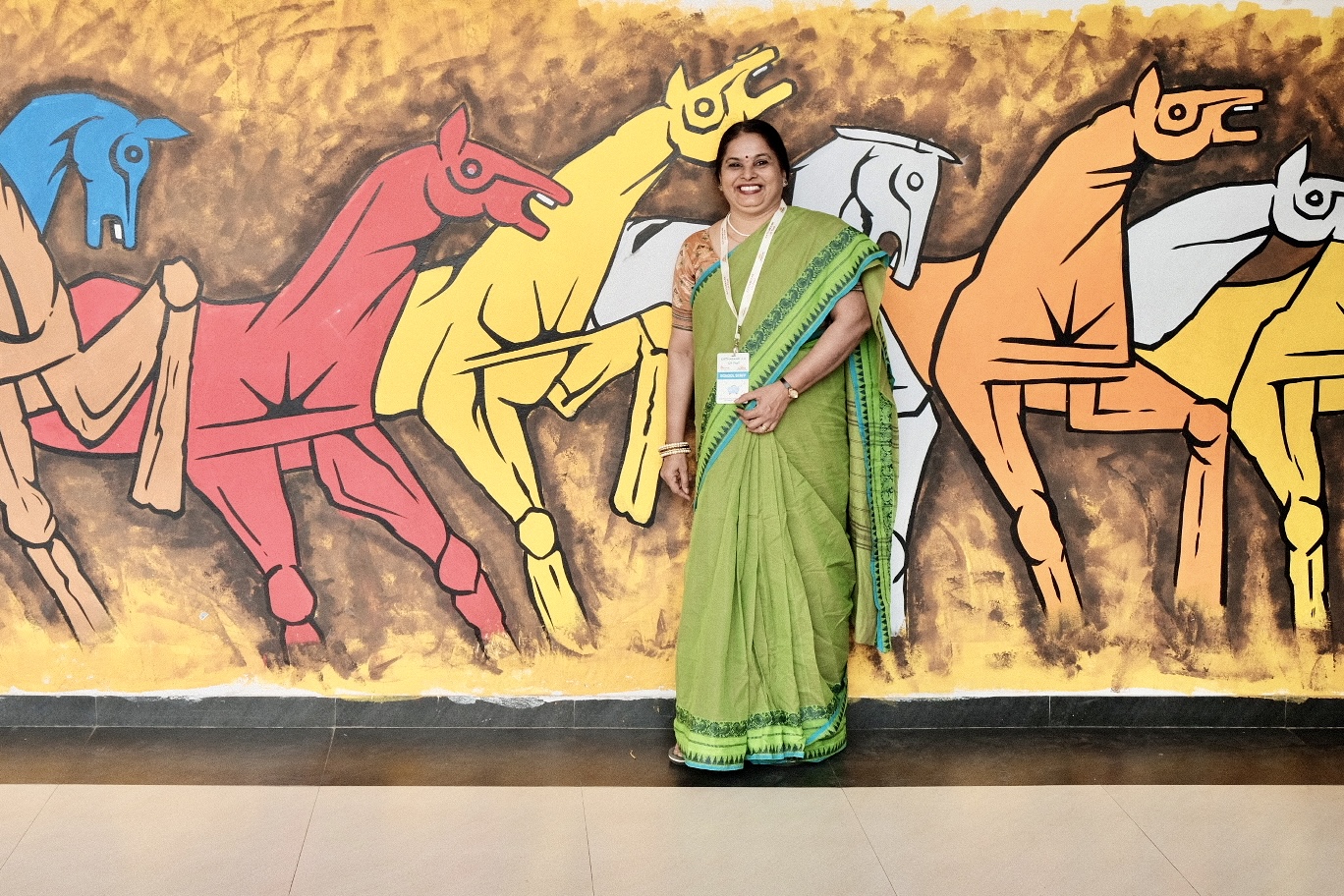
They asked me one question that changed everything. They asked, 'What is your dream for these children?' I thought of those lanes where even a 25 rupee newspaper was a luxury. I said, 'By the end of the year, each child should be able to hold a newspaper and understand what is happening, not just in their gali, but in the city, the country, and the world. They should feel the world belongs to them.' That honest answer opened the door. They said, 'Can you join?' I did not even go back to take a formal resignation. My feet had already chosen. That is how I truly became 'Didi.'
Every morning, I learned to change my 'mask' at the centre door. At home I was a mother, a daughter, and a wife, with my own worries about money, sick parents, and my son's tears. At the centre, I had to be still and fully present. The children deserved my calmest self. Two words slowly became my compass, which were presence and noticing.
After every class, I ask my children to close their eyes and say thank you to the universe. I tell them, 'I do not care if you get 30% or 80%. Marks fade. I want you to leave this room as good human beings.' I end most classes by asking, 'Did you understand? Was it fun?' If even one child says no, I change something.
There is one word they know I will repeat, and that word is 'Notice.' I tell them, 'Notice who is sad, who is left out, and who is helping. Notice if my bottle is empty, if a classmate's bag is torn, if a stray dog is waiting at the gate or a bird has no water.' In an AI and mobile world, I feel human touch, eye contact, and deep listening are disappearing. So we build small rituals. These are our anchors.
For years, I walked through the narrow alleys of Shivaji Nagar at dawn, waking children before the centre opened. That slum was called 'dangerous.' But the way they protected me was amazing. Parents would offer me bhakri from their small one room homes. Those visits broke all my prejudices. That is why I always say, 'I do not shout first. I visit the house first.'
Over the years, the children have become my private library of miracles. There was a girl in Bopkhel whose mother died on Shivratri and whose father died two months later. When she suddenly stopped coming, we knew something was wrong. My colleague and I kept bananas in our bags so we could feed her quietly. We met near the temple, which was neutral ground. Slowly, she pushed herself harder. Later she became an engineer, married an engineer, and moved to the US. When I feel like giving up on a child, I think of her banana, that temple wall, and her stubborn eyes.
There was also a boy who once threw corn at someone right in front of me. Years later, that same boy became a sub inspector in Pune. During a training, he admitted he did not know how to use a toaster. I stood beside him and showed him how. When the toast jumped, we both laughed and shared it, remembering the day of the flying corn. I often tell people, 'Slums also make miracles. You just have to stay long enough to see them.'
An older volunteer named Asha once told me, 'If your soul is satisfied, only then can you satisfy others. If you are full of anger, you will spread anger. If you are full of peace, you will spread peace.' Her words became a lamp for me.
People from abroad sometimes ask how they can support Akanksha. They expect me to say 'money.' I say, 'Give time.' Our children need someone to show up again and again. They need someone to read stories every week, not once a year. They need someone to teach them to ride a cycle, sit in a restaurant without fear, travel across town, use a toaster, and eat a samosa they folded with their own hands. These things do not come from a screen. They come from someone holding your hand.
When I think of hope in my classroom, I do not think of grades or speeches. Hope is smaller and bigger at the same time. It is the thought in a child's mind that says, 'If anything happens, Didi is there.' It is the way they run across the road and hug me without hesitation, while strangers whisper, 'Look, that child went and hugged her teacher.' In that dusty, ordinary moment, with their arms around me and their cheek against my sari, I tell myself, 'Certificate achieved.'

Continue reading