I was seven when I began painting the walls of my bedroom. Before YouTube tutorials made learning skills online accessible, I taught myself the nuances of oil painting on canvas. I was encouraged by my mother, which helped me understand how being allowed to create without fear or judgement builds confidence and identity.
"Art becomes a language when words fail."
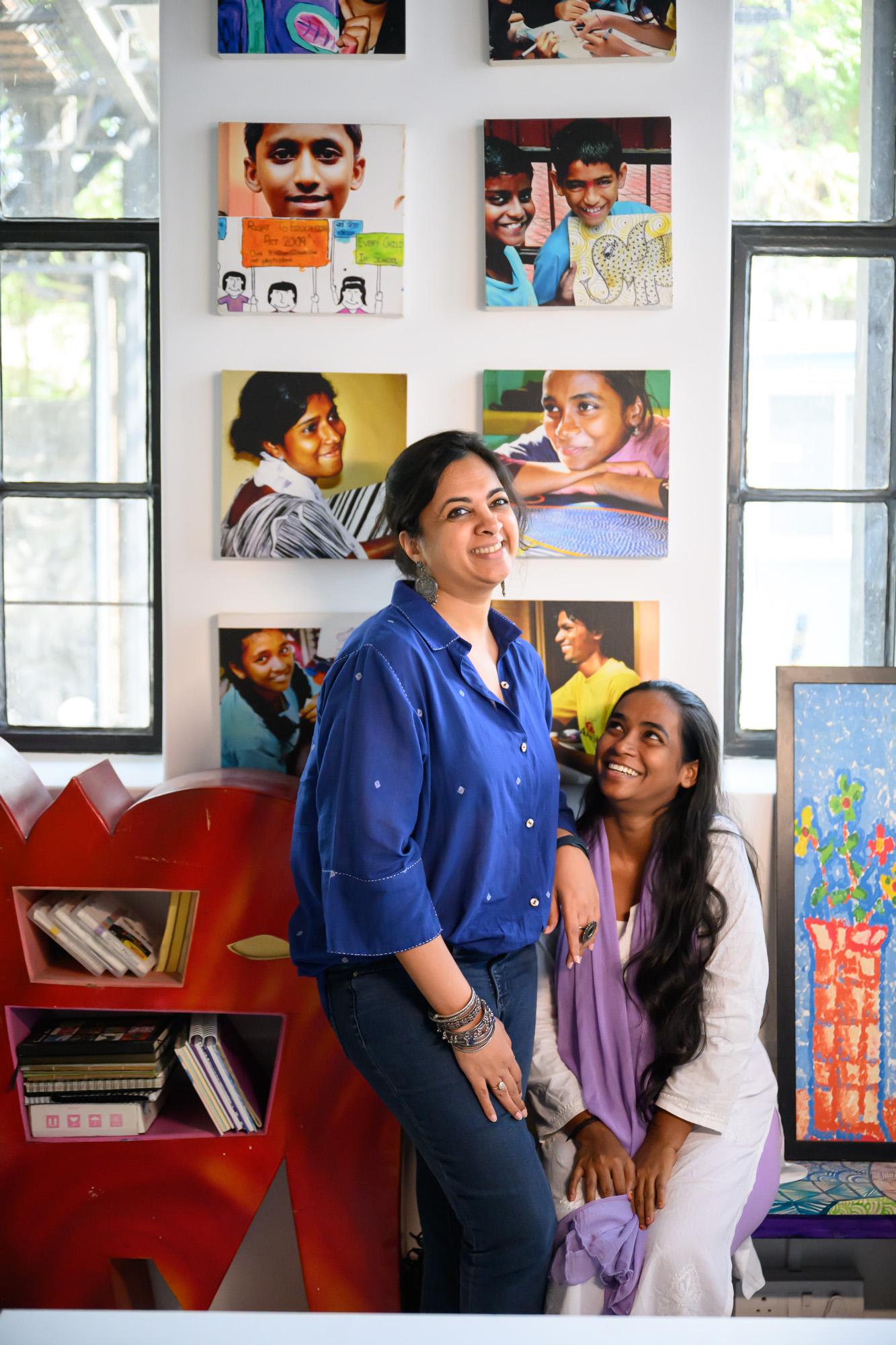
So, when I joined Akanksha in 2003, I knew one thing clearly: art had to play a much bigger role in children's lives. It could not be an "extra"; Art had to be part of the core of education.
Back then, the art program at Akanksha was small--two weekend classes reaching about fifty children, with lessons put together informally. In the early school years, art periods were often the first to disappear from the timetable. Sometimes a Hindi teacher would be asked to "take art." At times it became a filler.
But timetables reveal what a school truly values. And I refused to let art shrink.
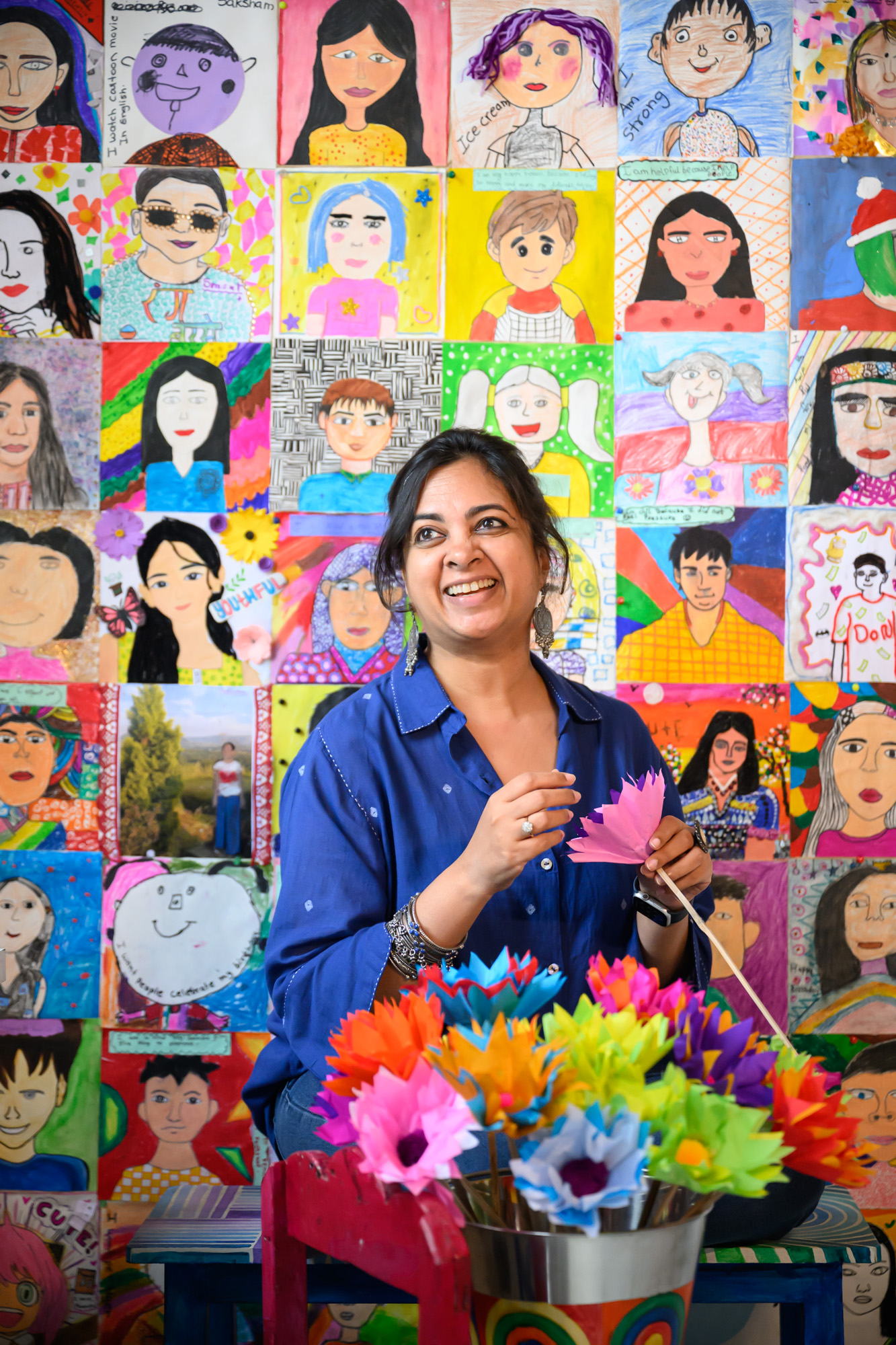
Over the years, Art for Akanksha slowly grew into a structured program with lessons from Kindergarten to Grade 10. What began as a small programme became a space where children could experiment, express themselves, and see the world differently.
During the pandemic when classrooms and routines were disrupted, art served as an anchor, a way to hold on to hope during a particularly testing time.
When we distributed ration kits to 13,000 families during the lockdown, we added something unusual to every bag: a sketchbook and crayons. Children began drawing their lives during that uncertain time. We later brought these together into a collection called The Art Never Stopped.
That experience reaffirmed something I have always believed: art becomes a language when words fail.
But art should not remain confined to one network of schools. It should travel.
What excites me most today is the multiplier effect--taking art into government systems and partnerships with organisations like Pratham. We translated the curriculum into Marathi and converted lessons into videos so that teachers anywhere could use them. Today, the Art for Akanksha curriculum is being taught in 150 schools beyond our own network, reaching nearly 56,000 children across India.
About 15 years into my journey at Akanksha, I also helped build the Alumni Support and Engagement programme. By then, hundreds of our students had grown up, gone to college, found jobs, and begun navigating adulthood. Supporting them felt like the natural next step. I restructured and redesigned the Alumni Support and Engagement (ASE) Programme, and ended up leading it for nearly seven years. It was an incredible lesson in systems, scale and resilience.
Through it all, art remained my centre. Today, my focus is fully on Art for Akanksha again.
This year is special for us. Art for Akanksha turns 30, and Akanksha turns 35. Fittingly, the year began with something extraordinary. During her Chapters Tour 2026, sitarist Anoushka Shankar's team invited us to collaborate on an installation titled New Dawn. It felt serendipitous. What followed was magical.
2,500 children from Akanksha and government schools created their own interpretations of what a "new dawn" meant to them. Every piece was different--bursting with colour, alive with imagination.
Looking ahead, I hope to take this work into even more schools and state systems. Even a small piece of Akanksha inside a larger structure could change how art is perceived nationally. Convincing parents that art can be a viable career is still a challenge. But slowly, that mindset is changing through the stories of our alumni--artists, designers, and creators who are building meaningful careers.
Every day I am reminded of something simple: when you give a child a theme, a blank page, and the freedom to imagine, what emerges is not just art. It is perspective.
I have been fortunate to have a mother who believed in me, mentors like Shaheen who saw potential in me, and an organisation that trusted me not once but twice to build something from scratch.
Sometimes I think about the seven-year-old girl painting her bedroom walls. If she could see this journey today, I think she would smile and say, "Go crazy. Follow your heart."
Continue reading