My story started 23 years ago in Pune. I was born into a family whose parents had moved from small villages to make a living in the city. My pappa taught himself how to repair televisions and set up a small store. My Aai was 16 when she got married. I am 23 today. By my age, my Aai already had two daughters.
"For my parents, my degree was not a degree. It was a revolution."
The most common story in households like mine with two daughters is that the third better be a boy. I was born contrary to many hopes, many prayers at the temple from relatives -- only because my Aai had to fight my family to keep me alive. My earliest memories are from when I turned 4 and my brother was born. The most common thing said to me by relatives and neighbours was: "Tuzha paygun khup changla ahe, tuzhya mage tuzha bhau janmala ala." You brought good fortune, because your brother was born right after you.
It took me years to figure out how deep-rooted gender discrimination was in my community, and how political my mere birth was. How that statement implied that my older sisters brought misfortune because I was born after them.
My first school was one close to home -- a malfunctioning school where I would run away if I saw the principal because I was scared she would hit us. This kind of fear was normalised. I used to dislike going to school, and I have a clear memory of jumping out of a rickshaw one morning in protest.
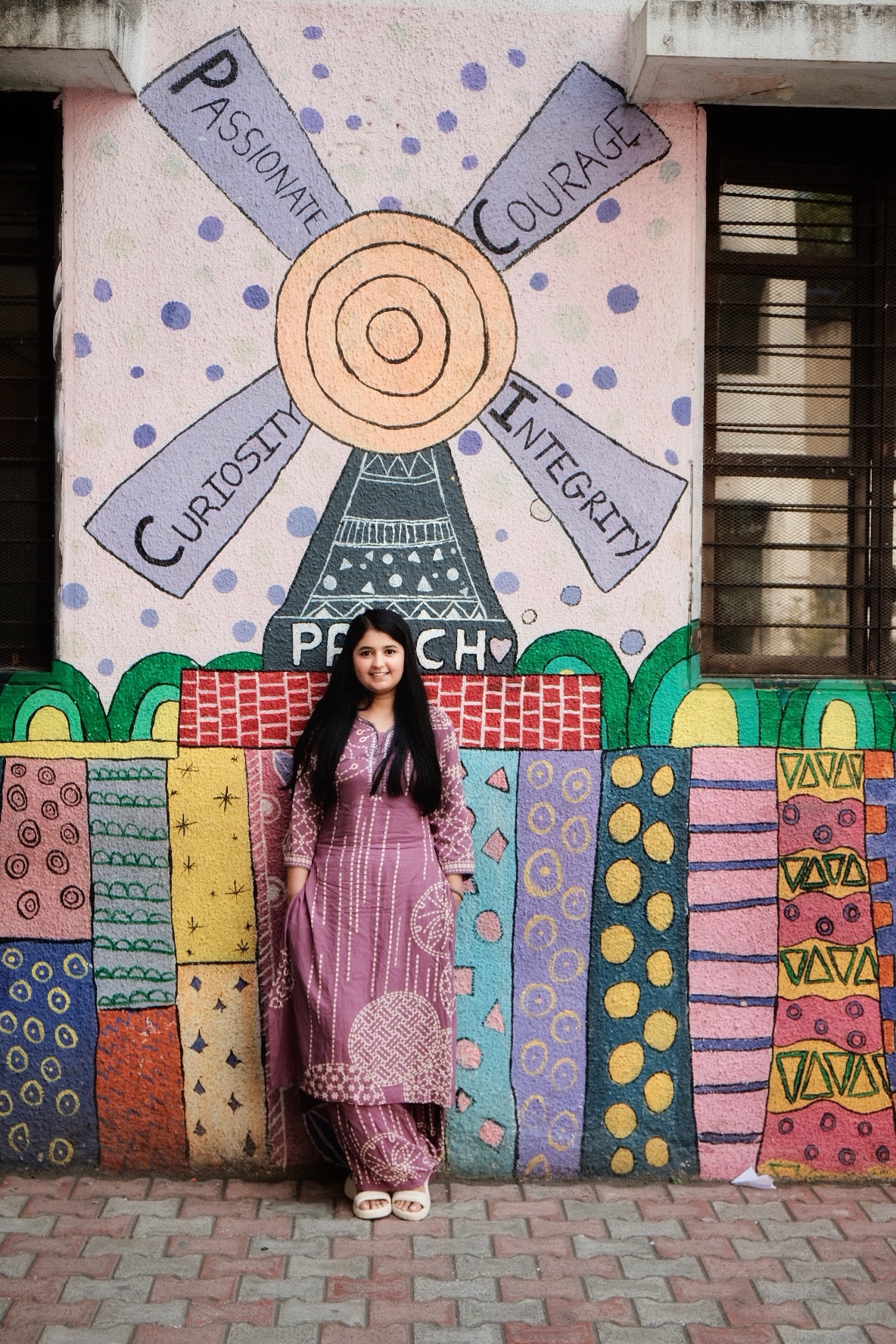
At 8 years old, I got admitted to an Akanksha school: K.C. Thackeray Vidya Niketan. Its gates welcomed me with utmost kindness. The first time I met my school principal Shalini Didi was when she walked into one of our Tuesday class meetings with an adorable puppy and greeted us. She radiated the warmest energy and I knew I would not need to run from her out of fear. She named the puppy PATCH, which became the motto of our school -- and a learning I carry with me to this day: Participation Above Triumph Counts Highest.
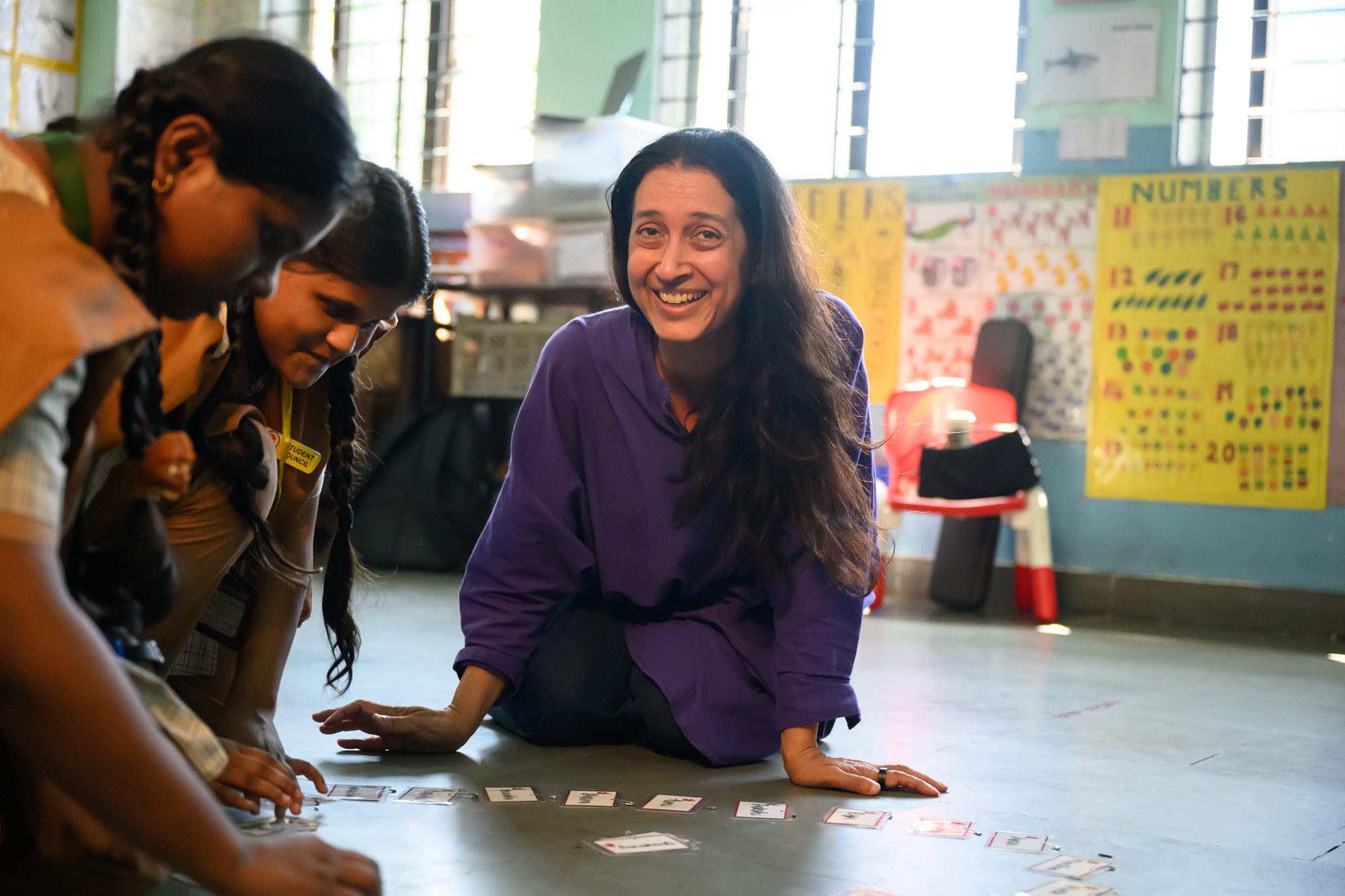
Over the years I participated in every opportunity that came my way: student governments, writing poetry and performing it in school assemblies, debate competitions, research, pen pal projects. Our classrooms were decorated by us. Our English textbooks were novels. Our teachers were Didis and Bhaiyas. My school was my entire world.
When I came back home, I would wait for the morning to come. I can probably count on my fingers how many days I missed throughout those eight years. School became home, and my teachers were truly dedicated to my success in the classroom and beyond. My parents saw all the amazing things I got to do, and slowly they became more and more open. They saw how powerful education can be. Akanksha made it a point to include my parents in my progress throughout my schooling.
After 10th grade I failed to get into UWC, my dream school at the time where I wanted to do my 11th and 12th. The following year I applied again. My English teacher and my principal backed me again and believed I could do it. I got in. I made it to UWC, a school that taught the International Baccalaureate board.
I could only make the jump from a state board to an IB board because my education at Akanksha was never tied to the bare minimum. It went above and beyond in making us capable.
From UWC I applied to study in the US. I got in. And in the past five years in the US, Akanksha has been just as present in my life -- helping with tickets to visit my family, paying visa fees, establishing mentors and host families, providing emergency support during COVID, sending annual Diwali sweets, connecting me with job opportunities, and hosting me and my parents when they visited. Akanksha showed me I was not alone even oceans away.
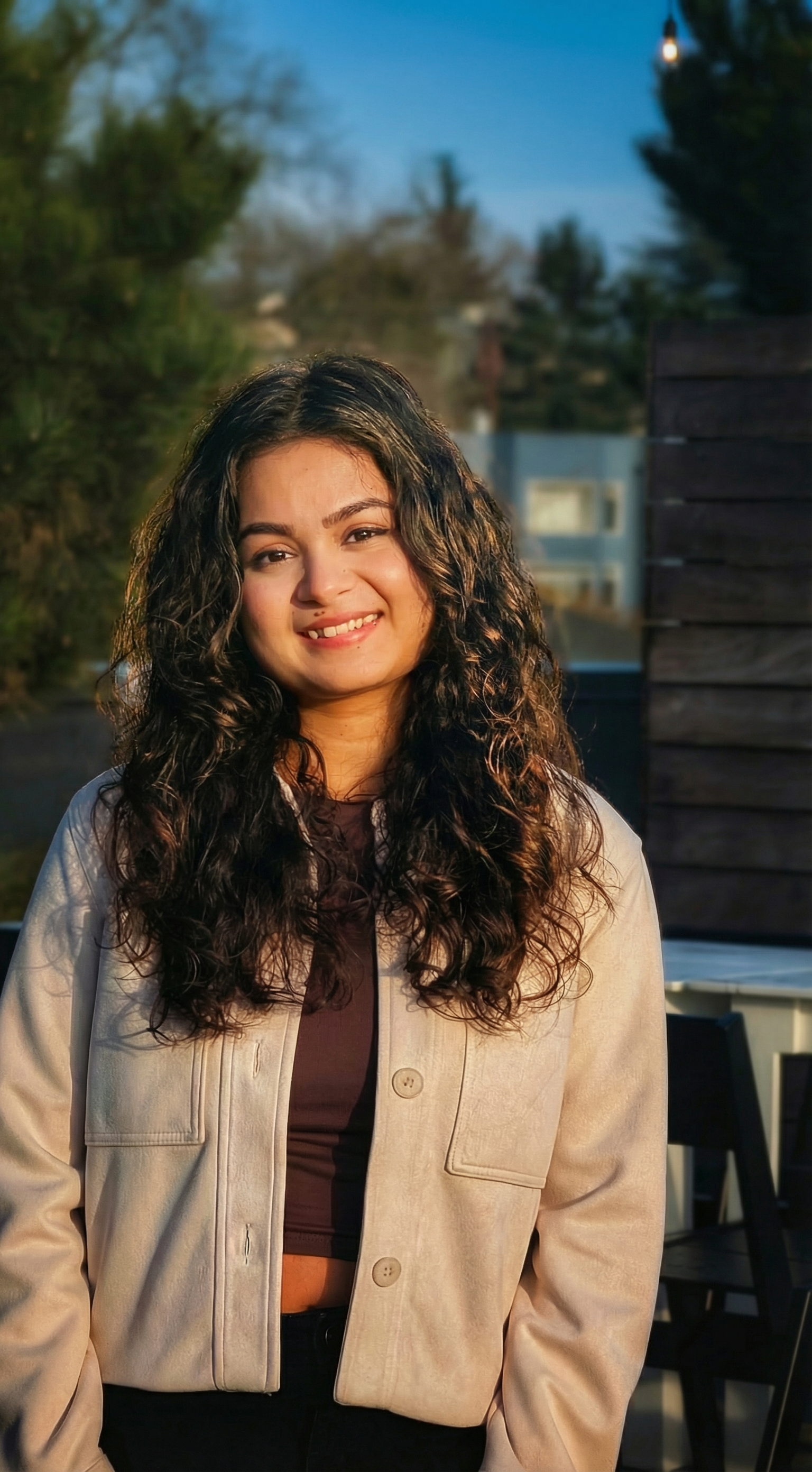
In 2025, I graduated from Whitman College with a Bachelor's in Psychology. With my college's support, my parents were able to fly from India and see me get my degree. Their eyes glistened as they saw where I had been for the last four years and the life I had built for myself.
For my parents who never studied beyond 10th grade, whose daily struggle when we were kids was to keep us fed and hope for the best, who kept getting criticised by the community for raising three daughters and sending them to school instead of getting them married -- my degree was not a degree. It was a revolution.
My parents' pride is the biggest thing I have earned in my life. And without Akanksha, I do not know what could have been. The education and support I received through Akanksha have been, and continue to be, a privilege. But it is a necessity -- and one that is still out of reach to millions of children in India. Akanksha stands as proof of what true, sustained support for a child can do: not just transforming one life, but an entire family's future.

Continue reading