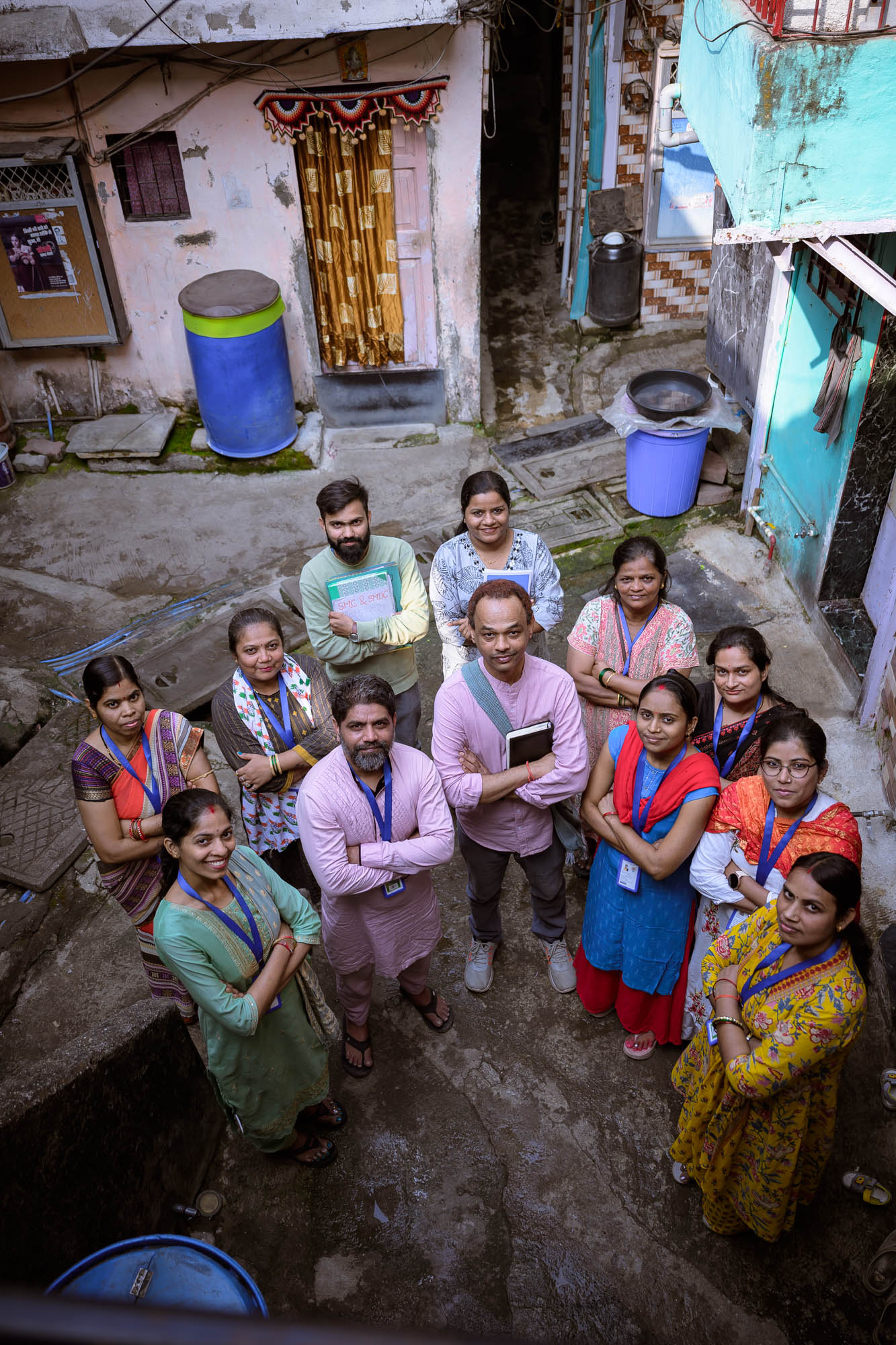
After completing my Masters in Social Work from Pune and working in Kalyan, I moved to Akanksha. What I liked instantly was the teaching style and the day-to-day connect between the social workers, the parents, and the community. Children here don't live in fear of their teachers; they share a healthy relationship. Plus, there is a structure for tracking processes and outcomes — and when we see our work creating progress, it gives us true happiness.
One story that taught me how much change we had effected is the case of the 180 families on P D'Mello Road in South Mumbai. Around 2006, the government announced a road-widening project and decided to rehabilitate these families to Mankhurd. For the parents, this was a dream — living in concrete homes with a room, a kitchen, and an attached toilet.
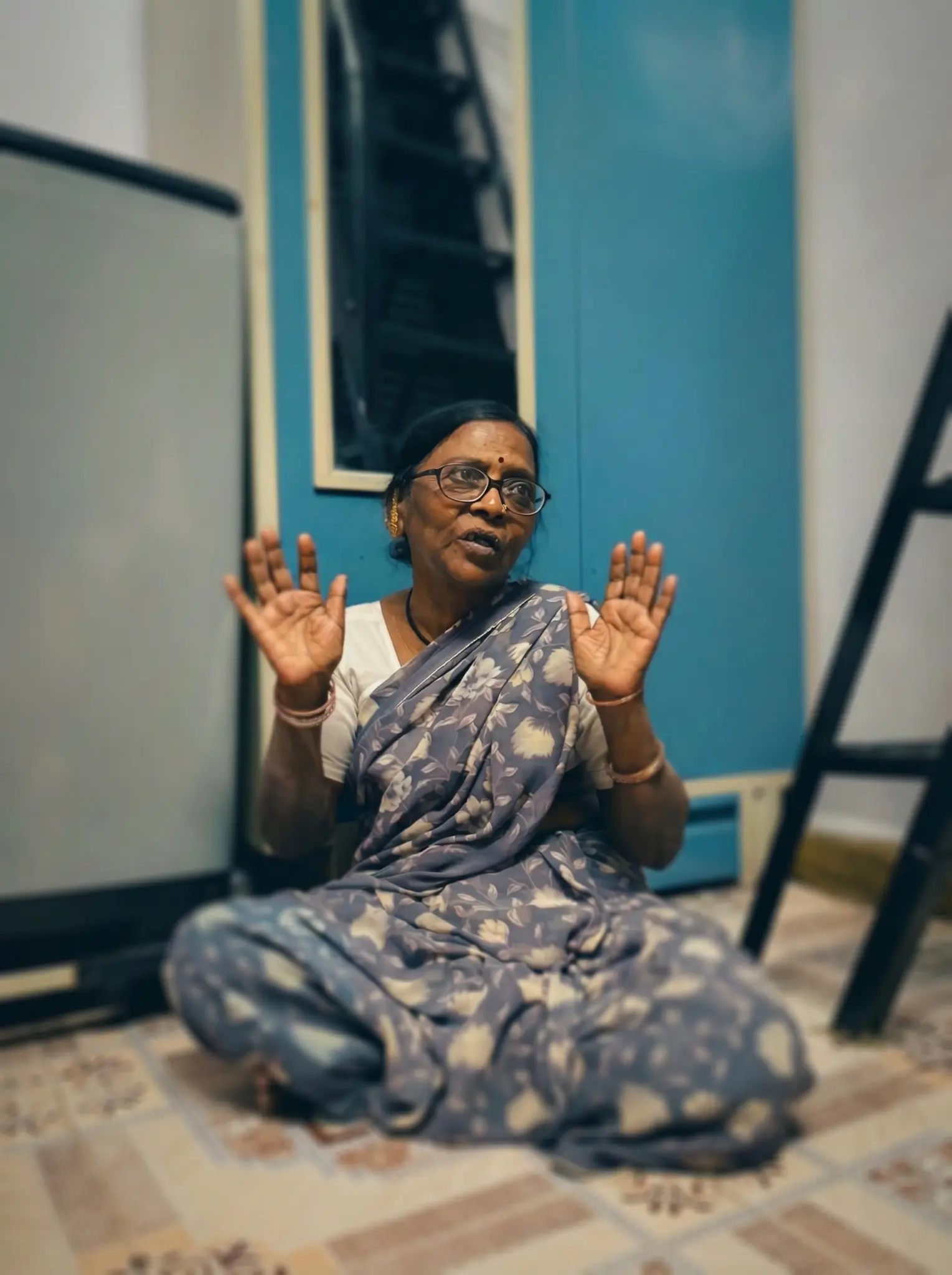
"I don't feel like I need to go to a temple or go on a pilgrimage in my old age. My work gives me my happiness."
However, the move was scheduled for January, just a couple of months before final exams. These kids were Akanksha students back when we operated as after-school centers, and missing those exams meant losing a full academic year. We tried convincing the parents to delay the shift, promising to help them find schools in Mankhurd later. Still, many were not convinced; the pull of a permanent home was too strong.
But then, a shift happened. A handful of parents put their foot down. They argued: "Akanksha people have been working with our kids for ten years. If they are asking us to stay back for the education of our children — which we are not thinking about — why not listen to them?"
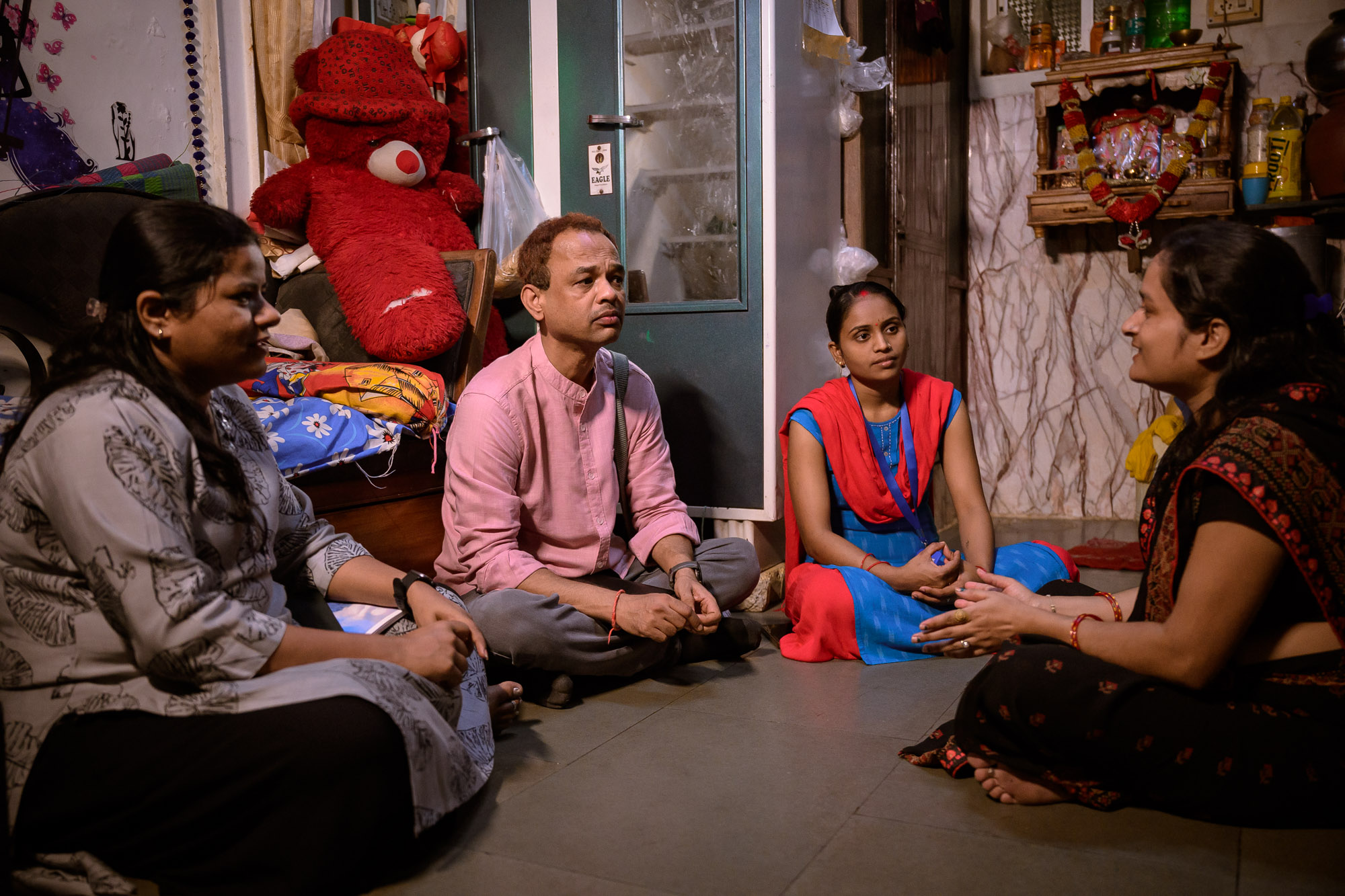
Following this, we filed a petition in court. The court wanted proof that the parents had agreed to stay, along with copies of their allotment letters. This was incredibly difficult to get because parents didn't want to part with those letters even for a few hours — it was their only ticket out of slum life.
We stayed with them until evening. Teachers and staff all came to help collect these signatures. Eventually, we got signatures from more than 80% of the community, including those whose kids were not with Akanksha, because they felt what was being done was right. That was a big impact. It wasn't achieved by one social worker, but by the relationship Akanksha had built over the years. They believed in us. We saw a team, a belief system, and a process that led to a real outcome. It showed exactly why a social worker is important.
Over the years, we have started many programs to address specific issues like addiction, child sexual abuse, domestic violence, and malnutrition. One of our most recent programs is called Building Bridges. We make parents and kids sit together, hold hands, and look into each other's eyes. We ask the children to share what they like about their dad, and then ask the father to do the same. We are deepening the bond between families.
Even in our menstrual awareness program, when we ask male students to give pads to female students, it's not just about classmates. It's about creating empathy for the women in their lives: mothers, sisters, and neighbors. We encourage fathers to do the same. Our generation never grew up with an awareness of what women go through; we want these programs to shift the way men treat their wives.
We celebrate Valentine's Day as a Family Day. We tell them to give each other a chocolate or a rose and send us a photo. We encourage them to eat together. Usually, the father eats first, then the mom serves the kids, and then she eats last. We say: at least eat together on Sundays.
Our belief is that only if there's a healthy environment at home can a community truly be built. There is such satisfaction in seeing that your work has created a change. I don't feel like I need to go to a temple or go on a pilgrimage in my old age. My work gives me my happiness.
Continue reading