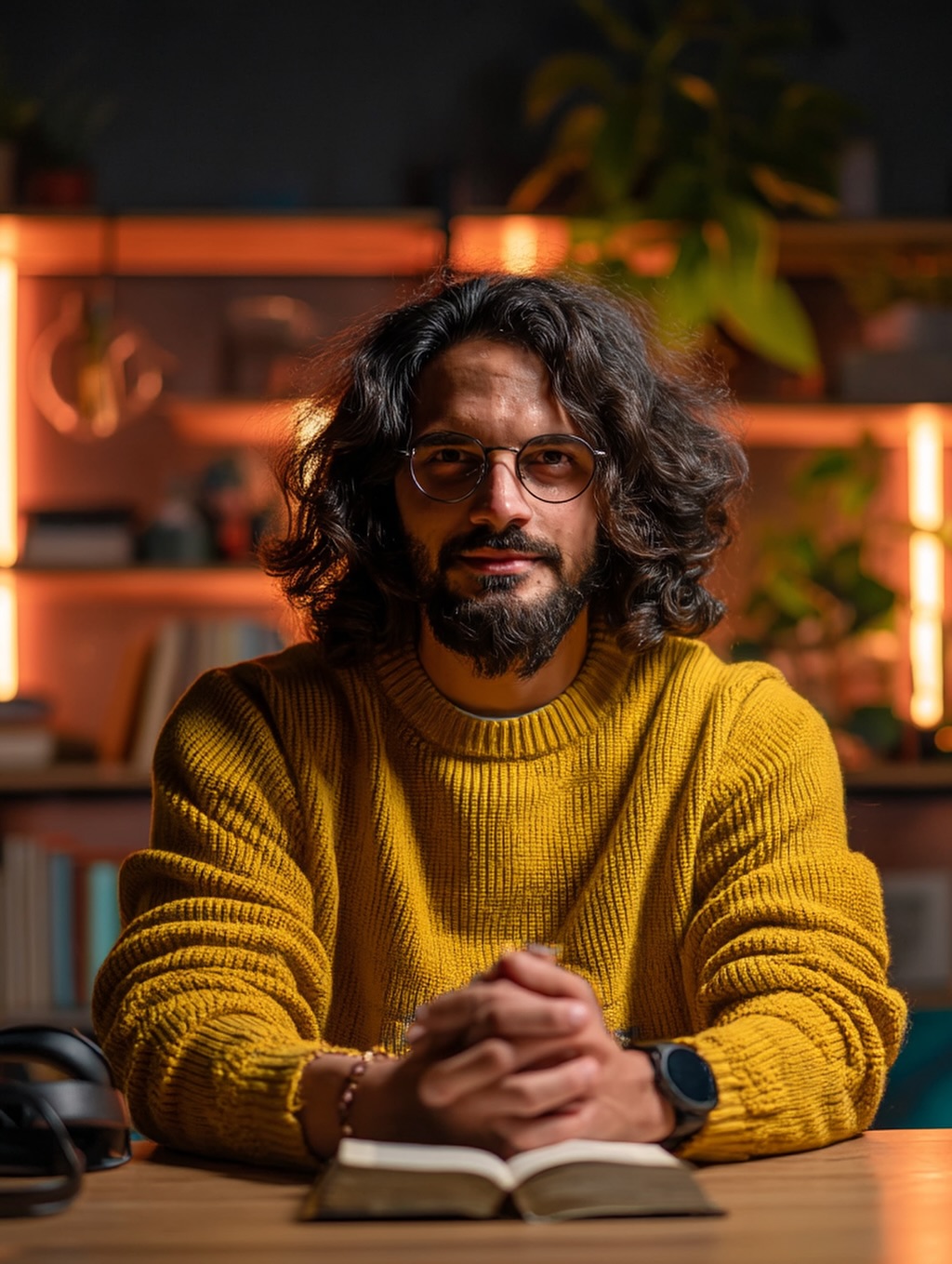
I was literally born on the pavement. People use that as a metaphor for struggle, but for me, it is a location you can point to on a map. December 3rd, 1992, by the sea near Haji Ali in Mumbai. My mother lay on a thin sheet spread on cold concrete, the sky our only ceiling. No room, no bed, no roof. My father was a street photographer who loved his camera and his drink. He picked me up, this tiny, shivering bundle, walked to a cycle wala selling coffee, and bought a small glass. Most babies taste their mother's milk first. My first taste of the world was coffee. He dipped his finger into that steaming glass and placed it on my lips. Sometimes now, when I am in Utah standing in my kitchen with a hot mug in my hands, I close my eyes and see that newborn on the pavement, and that father's coffee stained finger. It is funny and tragic in the same frame, like my whole life pressed into a single sip.
"For many, the big moment is their degree. For me, my graduation from invisibility was my passport."
Three days after I was born, the city went up in flames during the riots. My mother sat alone on the pavement with three babies, no husband, no food, and a city on fire around her. Grief came into our family early and refused to leave. My youngest sister died of pneumonia. My older brother disappeared from a railway station, taken by a stranger, and we never saw him again. Those losses settle deep in the lungs of a family, changing the way everyone breathes.
My education came from the street. I started selling books at the traffic signal, and that signal became my first real classroom. My father had scribbled the alphabet for me, but I learned to read on the road. At red lights, I would hold up books and ask customers, 'Madam, please read this title?' They would say the name, and I would repeat it, matching the sound to the letters. That is how I learned English.
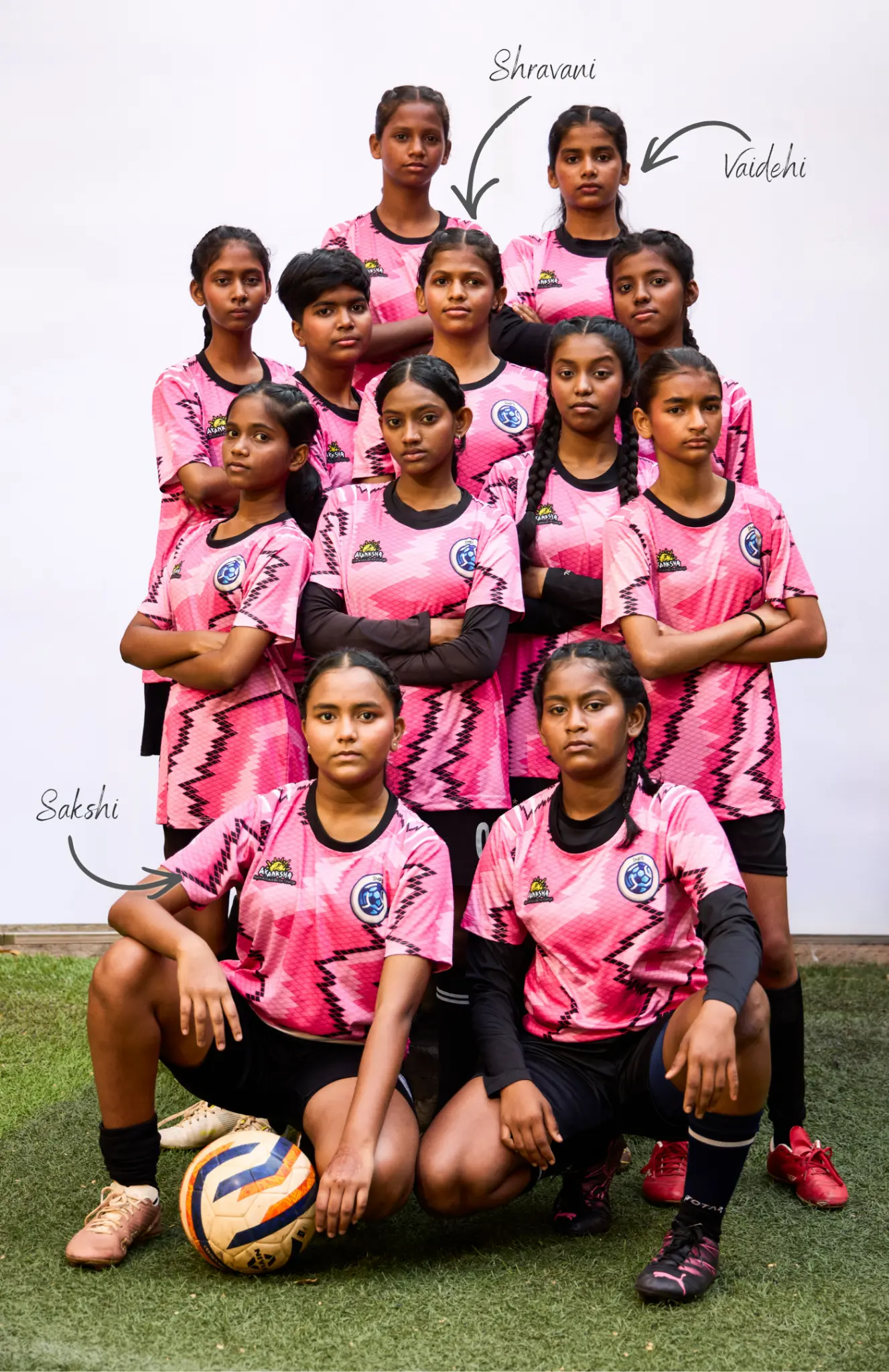
One morning, a woman named Caroline from Akanksha saw me on the street. She handed me a book and asked me to read. My English was broken, but I struggled through. She saw something in me that I was not ready to see in myself. I resisted going to the Akanksha centre. I felt poor in a new way there, not in rupees, but in words and confidence. But Caroline did not stop coming. She would find me on the street, park her scooter, and just wait.
The real push came from a stranger at a signal who asked, 'What is your life goal?' For once, I had no sales pitch. What did I want? To keep circling this same patch of asphalt my whole life? That question bothered me more than hunger ever had. A few weeks later, I waved Caroline down and said, 'I want to come back.' After that, I did not stop.
I chose English medium for my 10th standard exam. I failed the first time. Friends at the signal laughed. But I retook it, passed, and made my way into college. Then Akanksha called with news that sounded like a film script. They wanted me to be a surprise speaker at their first gala in New York.
My first response was, 'How will a boy born on a street, with no hospital record, get a passport?' On paper, I did not exist. What followed were three months of running around Mumbai, trying to prove I was real. We filed a petition, found my mother's old hospital records, and convinced officials to sign off on my existence. When I finally held my passport, a small navy blue booklet with my name spelled right, I cried. It felt like the government was finally saying, 'We see you now.'
When the plane touched down in New York, I pressed my forehead to the window and cried again. The tears were for those three months of proving I existed, and for the little boy born without a birth certificate who was now telling his story on a New York stage. Before flying back, I stood by the Hudson River and made myself a promise. 'I will return here, not as a guest, but as a student.'
Life listened. A scholarship led to an MBA in digital marketing in Utah. And then a high school asked me to teach photography. A boy who learned English from book covers at a traffic signal in Mumbai, now teaching in an American high school. From day one, I told my students, 'If you are here just to waste time, drop my class.' I have seen what it costs to waste time. For me, time is the only currency you can never earn back.
My story sounds neat from far away. But inside, it feels like climbing a mountain whose peak keeps moving. I do it out of respect. Respect for my mother's tears, for my brother who disappeared, and for the boy at the signal who once promised his family would never sleep hungry again.

Continue reading