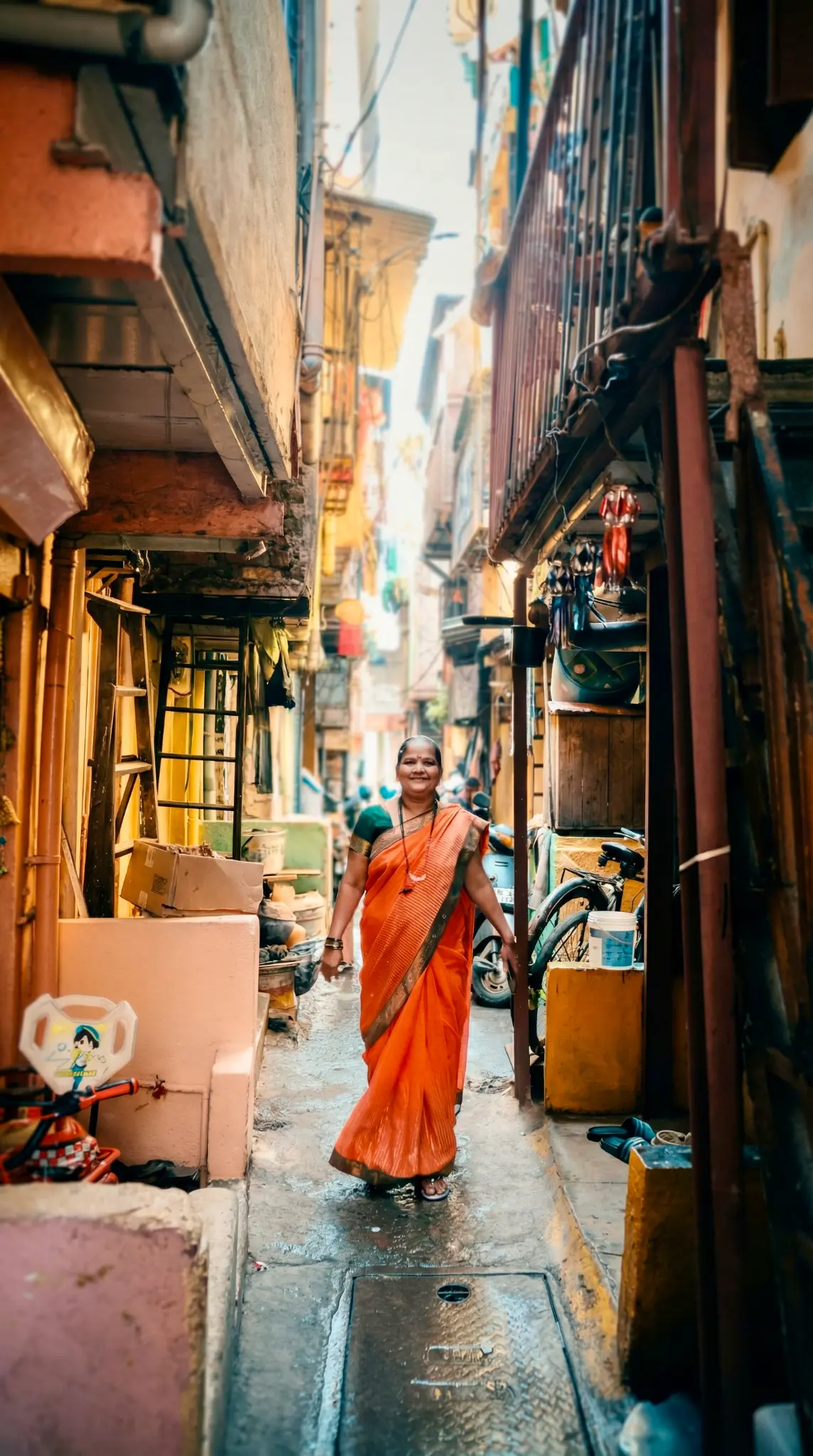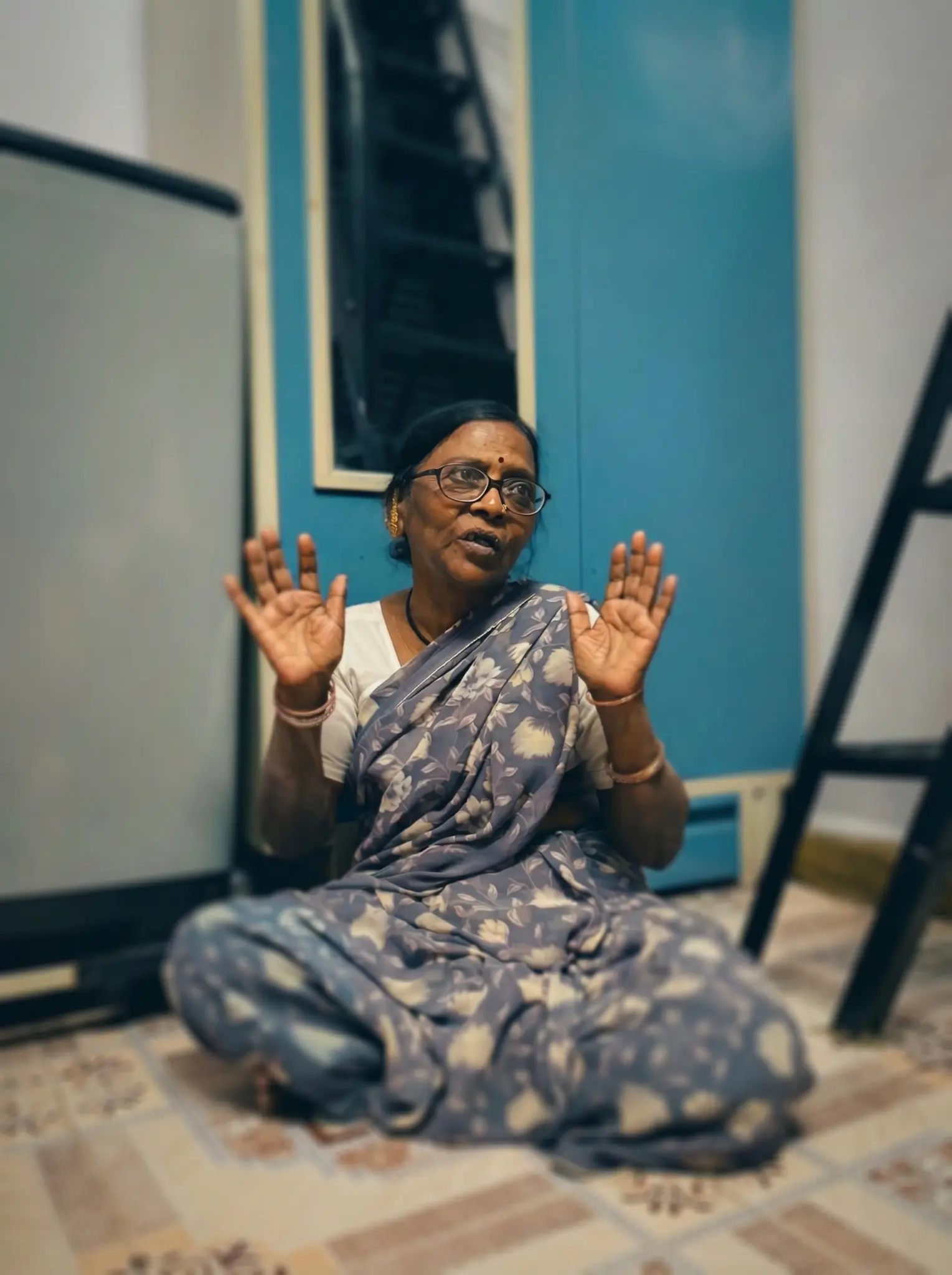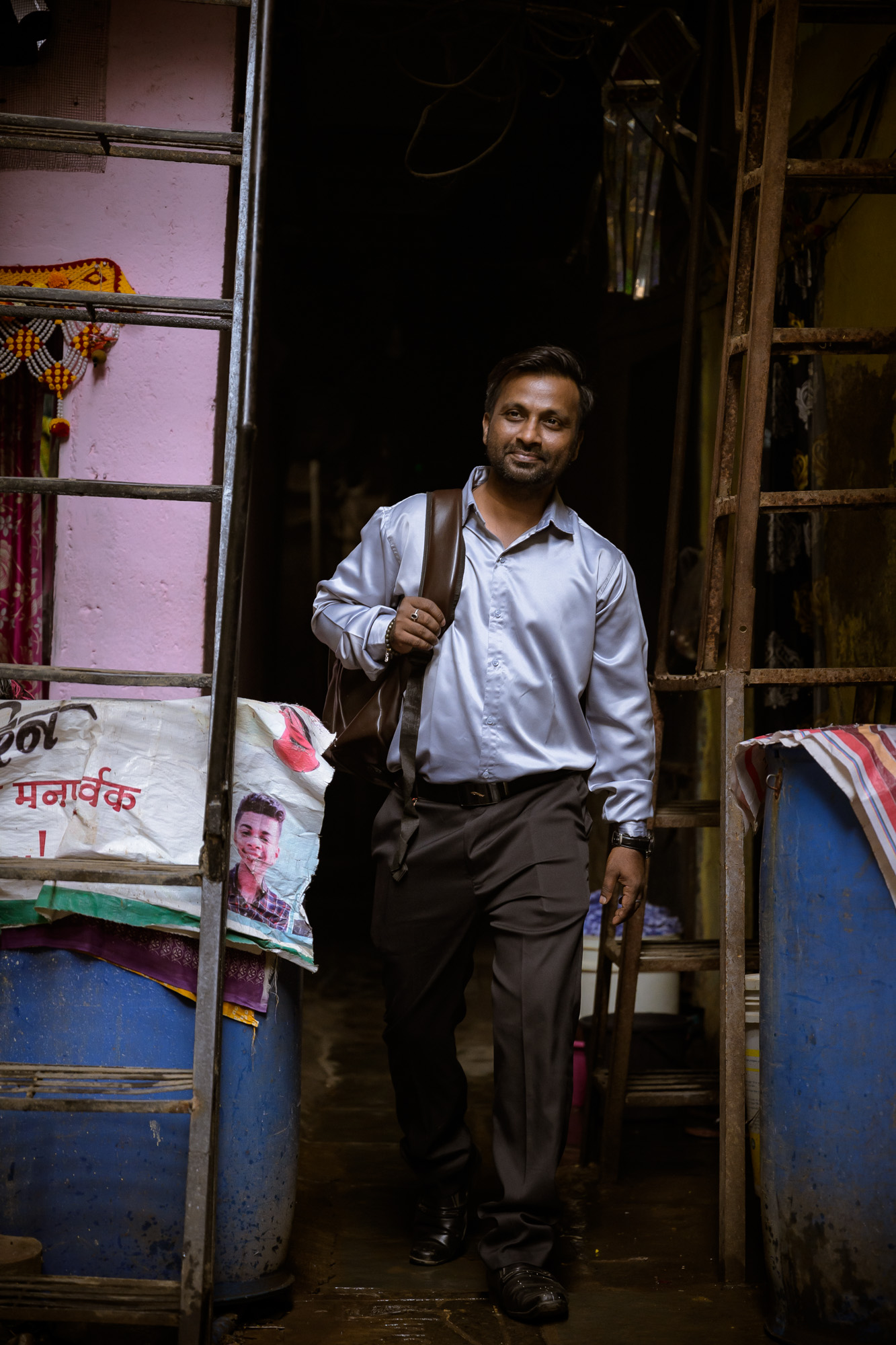
My younger sister Deepali was enrolled at an Akanksha centre for after-school classes one year before me. That one year showed just how different our learning levels were -- while she could confidently read the English alphabet, I was unable to read even simple words like "cat" and "bat", even though I was two grades above her.
"What keeps me going is the thought that when I was young, my Didis and Bhaiyyas protected me. Now it's my turn."
Joining Akanksha made me and others in my community understand how different education could be. In my school, there were around 70 students in a class, and the teacher didn't know anyone's name. At the Akanksha centre, not only did they know my name, they also understood what I liked, treated me with respect, and corrected me gently when I made mistakes.
When I was in Grade 9, I was humiliated by my class teacher. That day, I decided to drop out of school. We are first-generation learners, and for my parents, education wasn't a priority -- earning was. So when I dropped out, they didn't object.
Dev Bhaiyya, the social worker at Akanksha who was working in our community at the time, and Shaheen Didi encouraged me to complete my Grade 10 privately. I refused, but they were determined and kept giving me options. Dev Bhaiyya helped me fill out my Grade 10 admission forms, and I completed the rest of my schooling privately, with support from Akanksha. In that sense, I consider myself an Akanksha graduate.
I remember once seeing Dev Bhaiyya help a child who had fallen ill in class. He got the child admitted to the hospital and took care of him. That's when I realised this is what I wanted to do.
In the communities we come from, it's easy to go down the wrong path without support. As social workers, we see many cases of drug abuse and child sexual abuse. What keeps me going is the thought that when I was young, my Didis and Bhaiyyas protected me. Now it's my turn.
One of the biggest changes we've seen is in how people respond to child sexual abuse. I was among the first within Akanksha schools to be trained to address this issue. We held sessions with parents, organised rallies, and put up posters. Earlier, there was a "chalta hai, hota hai" attitude. Today, parents talk openly with their children about it. And when they come across such cases, they go to the police and take action. It has taken years to reach this point.
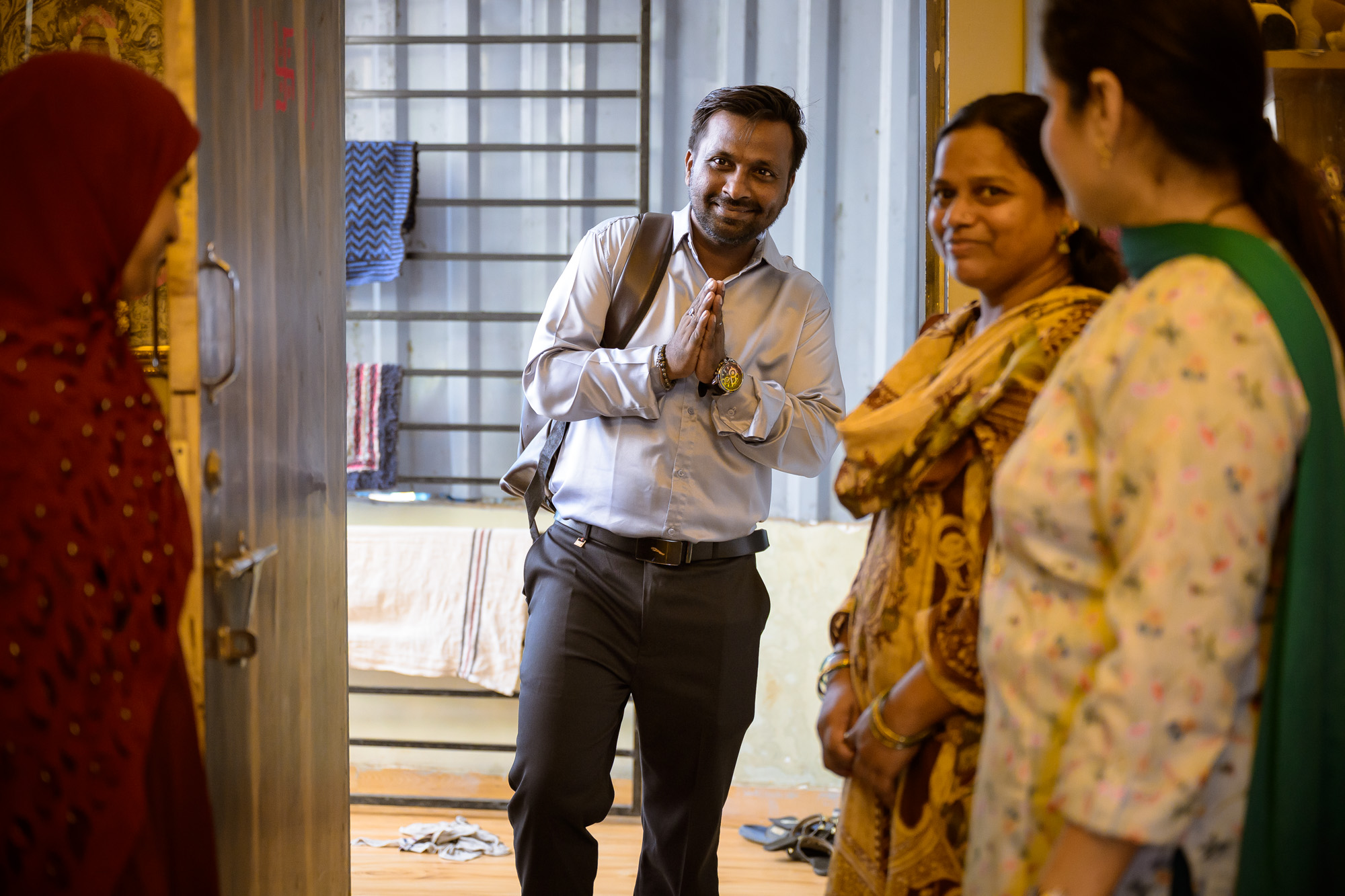
Getting children into school is no longer a challenge. There's a lottery system now because the demand for Akanksha schools is so high. But keeping children in school and ensuring they feel safe takes constant effort.
This is not a 9-to-5 job. On days when I think it might be relaxed, something unexpected happens. A child may go missing, and we work with the parents to track them, understand what happened, go to the police, and when the child is found, support them and create an environment where they feel safe enough not to run away again.
It can be emotionally draining and does affect my personal life at times. But when a parent tells me, "Thank you Bhaiyya, my child is doing well today because of you," it makes everything worth it.

Continue reading